

Step 01
Consultation
Discuss your goals, concerns, and expectations in a one-on-one conversation.
A consultation-first approach to natural-looking hair restoration — where careful planning, honest assessment, and individualised treatment come before anything else.
A quick overview of what the hair transplant service involves.
Follicular unit restoration planned around your specific pattern of hair loss.
Hairline and graft placement designed around facial proportions and natural direction.
Individuals with stable hair loss, adequate donor area, and realistic expectations.
Structured aftercare and progress monitoring through each recovery stage.
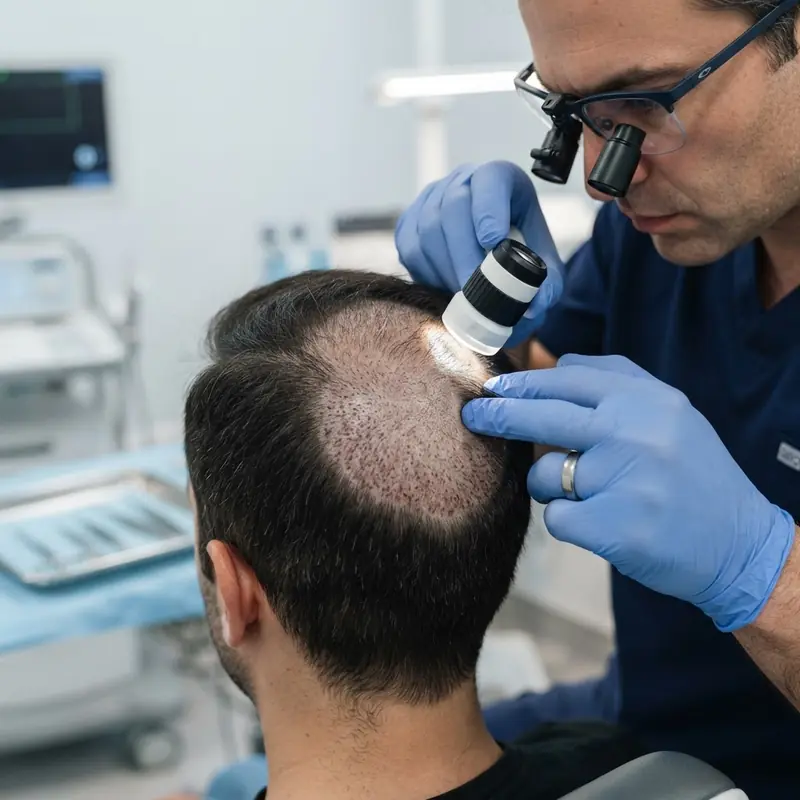
A hair transplant relocates healthy hair follicles from an area of dense growth to regions experiencing thinning — done with care, precision, and realistic planning.
The transplanted follicles retain their natural resistance to hair loss and continue to grow in their new location. It is not a cure for hair loss — it is a planned redistribution of your own healthy hair to where it is needed most.
Treatment planning depends on several individual factors. No two procedures are identical, which is why a personal consultation comes before anything else.
The shape and extent of thinning determines where grafts are placed.
Density and quality of the donor region affect how many grafts are available.
Clear, honest discussion of what can and cannot be achieved.
Medical assessment confirms whether a transplant is the right option for you.
A transplant is not for everyone. These are the factors considered during your consultation — no medical guarantees are made.
Suitability is always determined during a personal consultation. No online assessment replaces a face-to-face evaluation. Results may vary from patient to patient.
The most important work happens before the procedure begins. Planning is where the outcome is shaped.
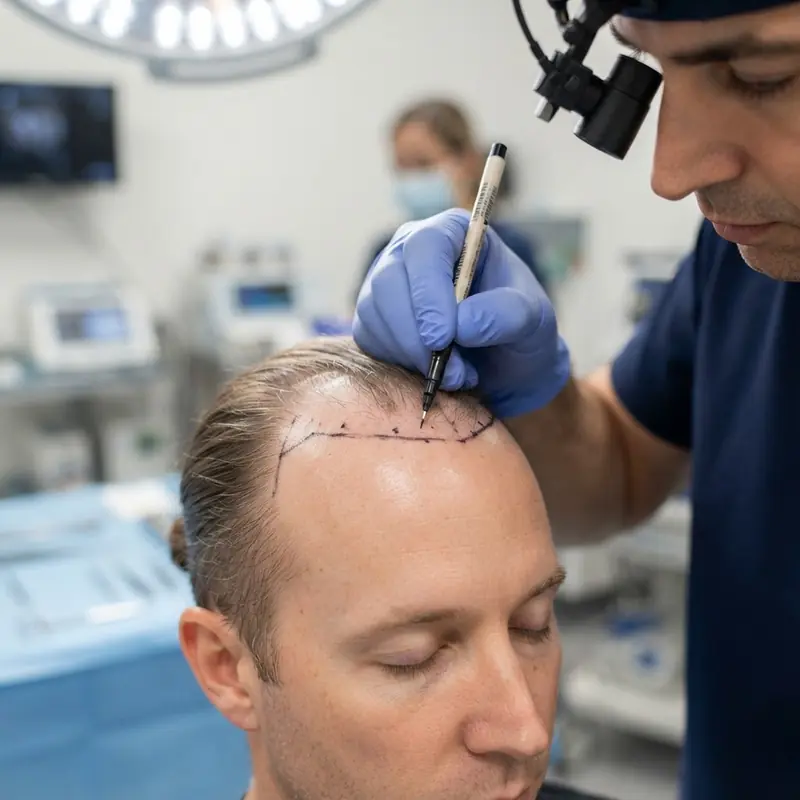
Each hairline is planned around facial proportions, age, and natural growth direction — with micro-irregularities for an organic look.
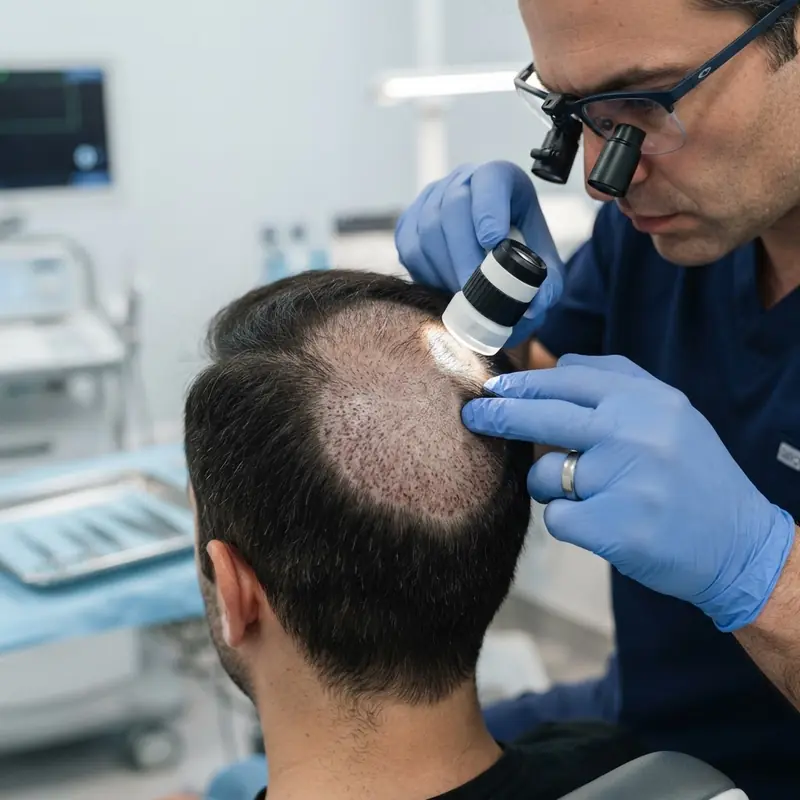
Donor density and hair calibre are assessed to determine safe graft limits and preserve the area for potential future needs.
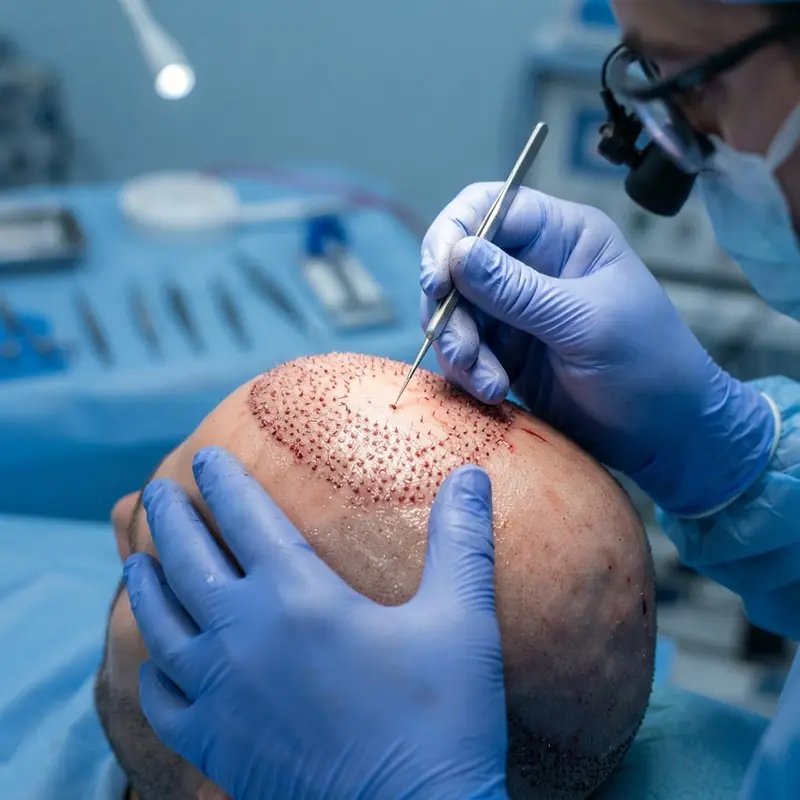
Graft count, placement zones, and density distribution are mapped before the procedure — the goal is the right grafts in the right places.
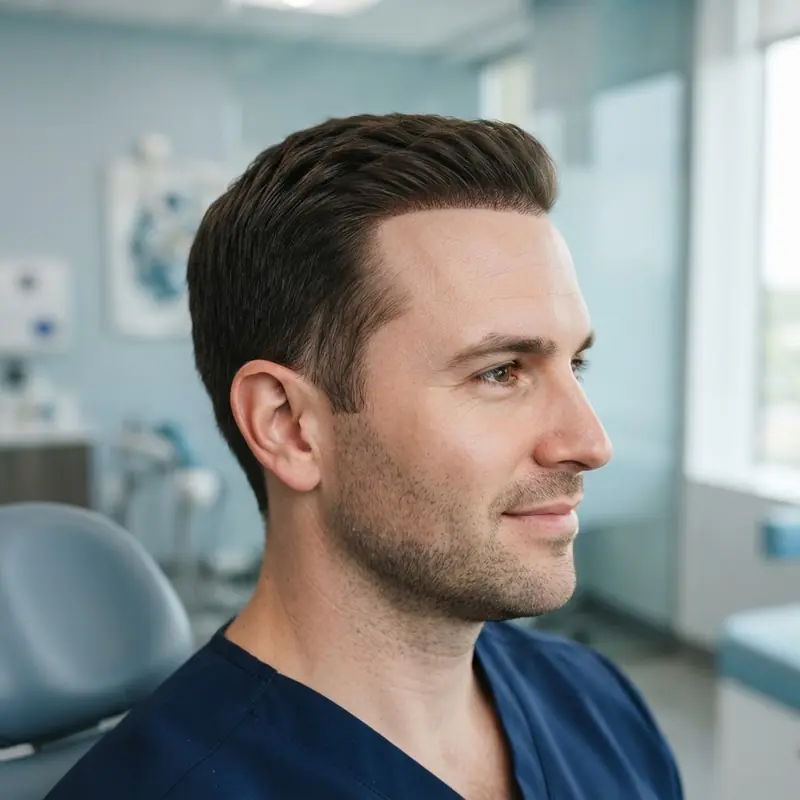
Planning accounts for how the hairline will look not just today, but in five, ten, and twenty years — designed to age naturally.
A selection of hair transplant and hairline design cases. Each outcome is planned individually.
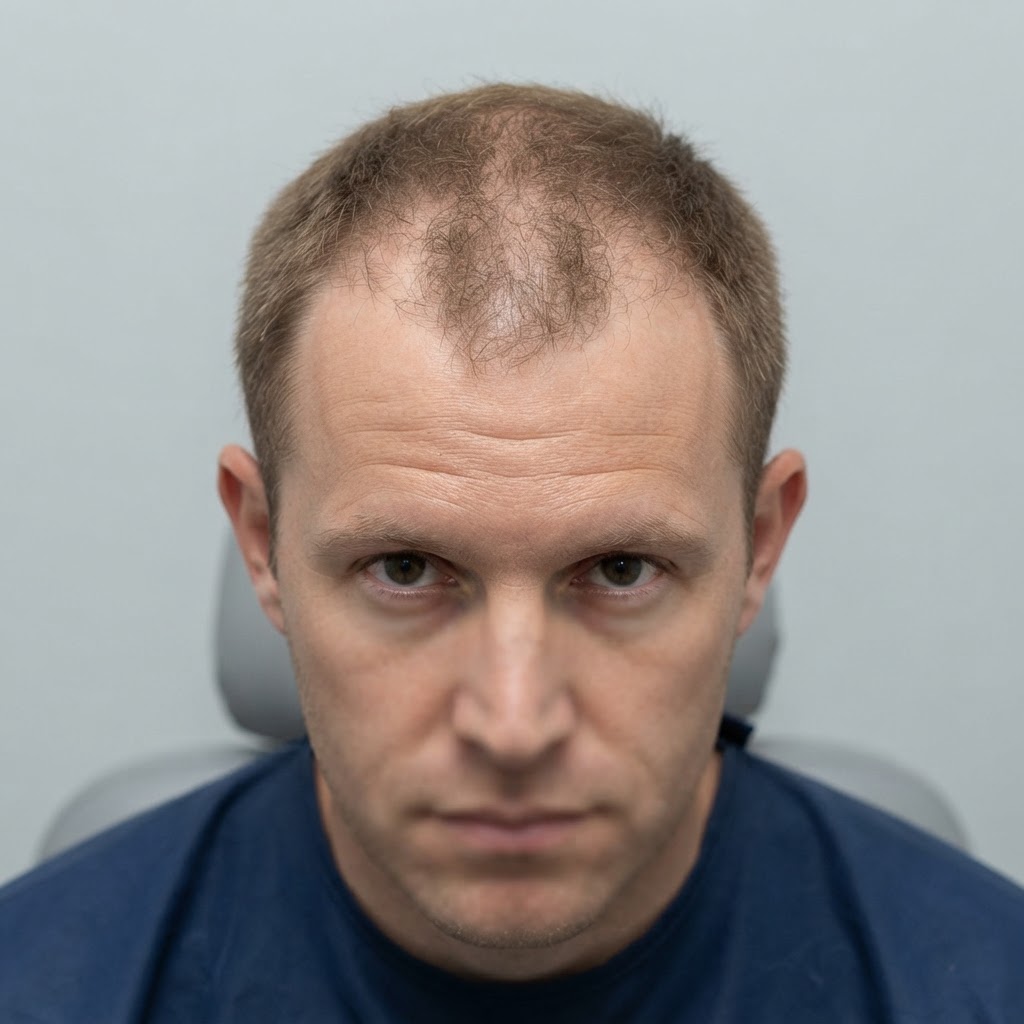 Before
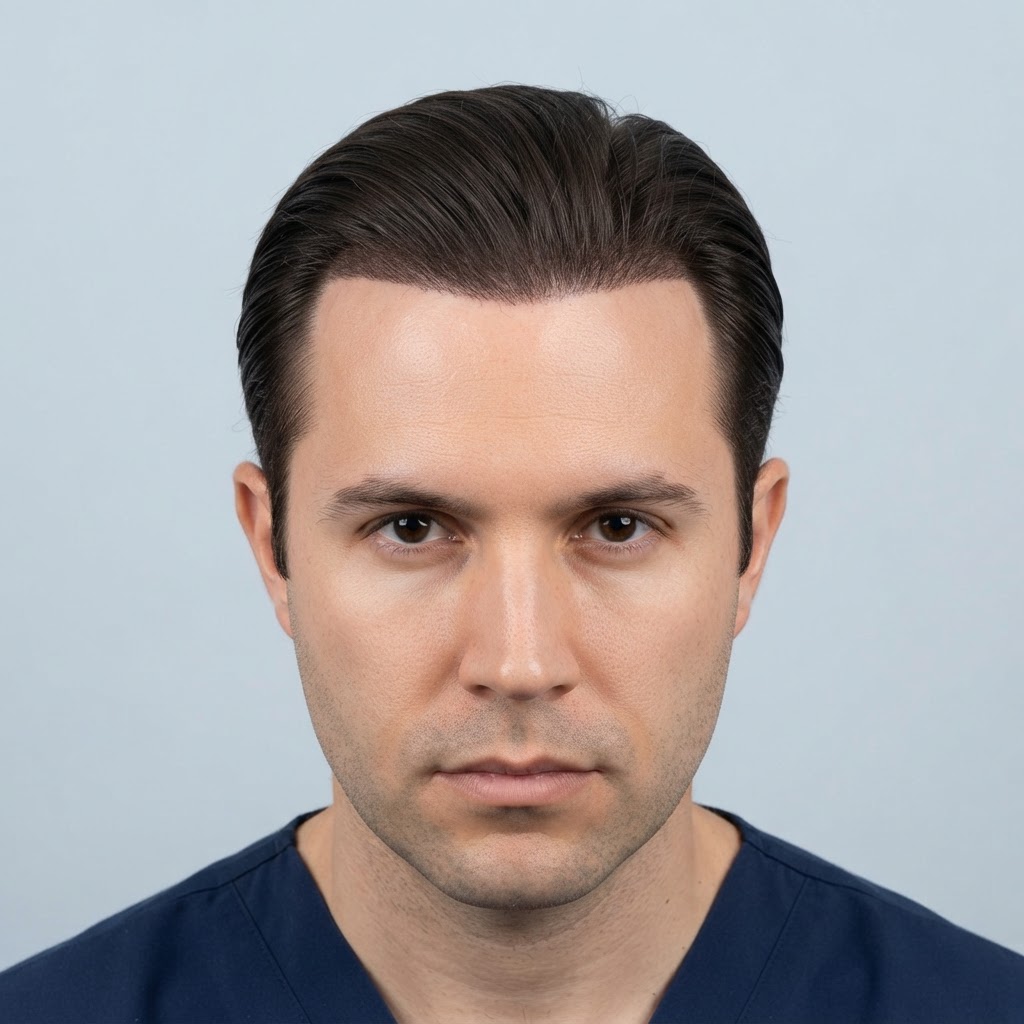 After
AfterHairline reconstruction focusing on natural temple closure and frontal density. Planned around facial proportions with age-appropriate design.
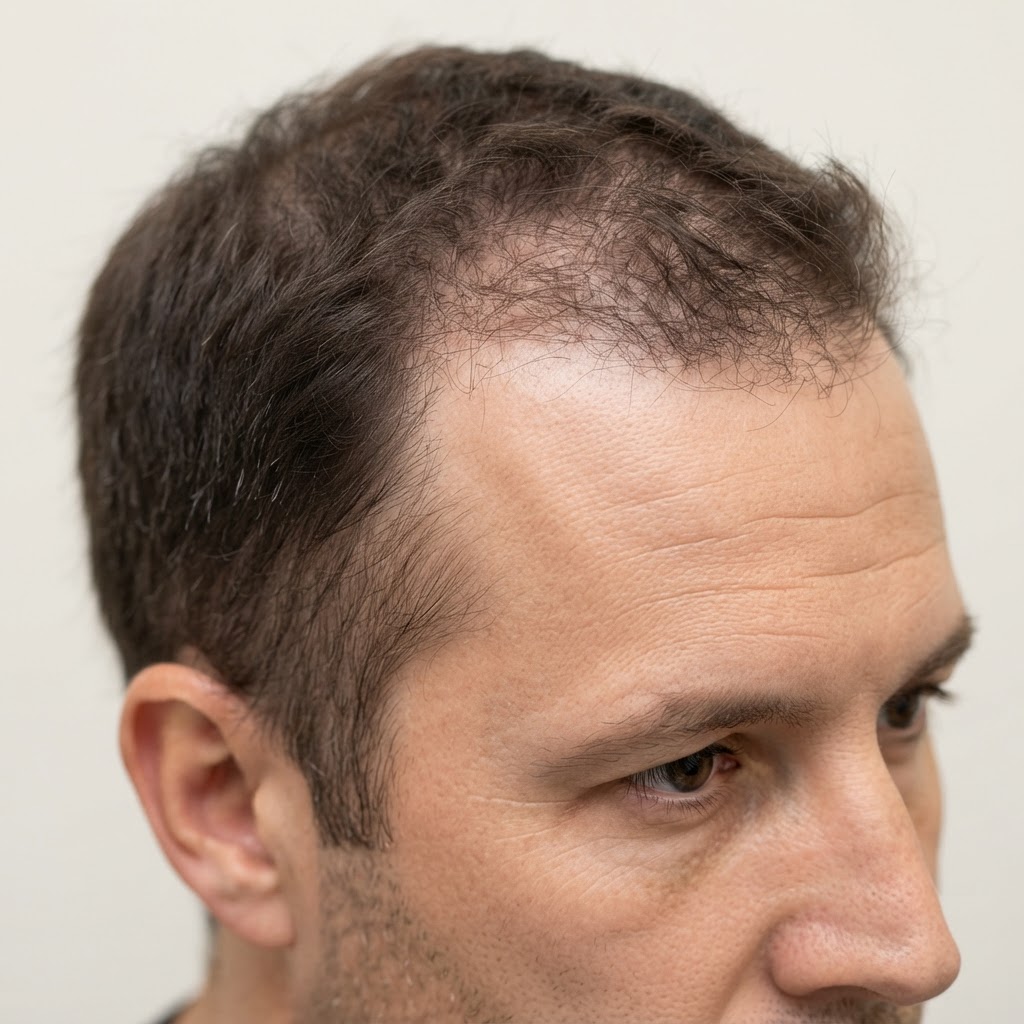 Before
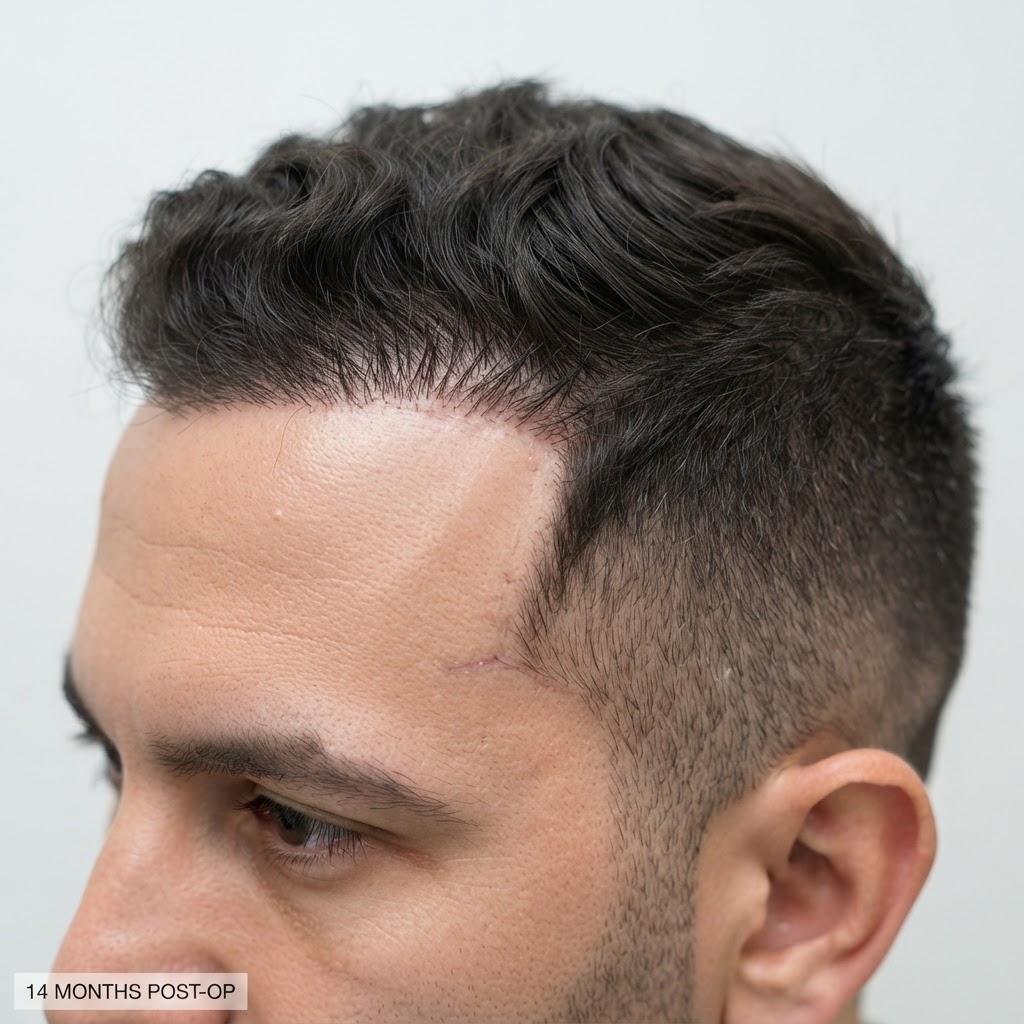 After
AfterRecreation of natural temple points with micro-irregularity for organic appearance. Single-hair grafts placed at acute angles.
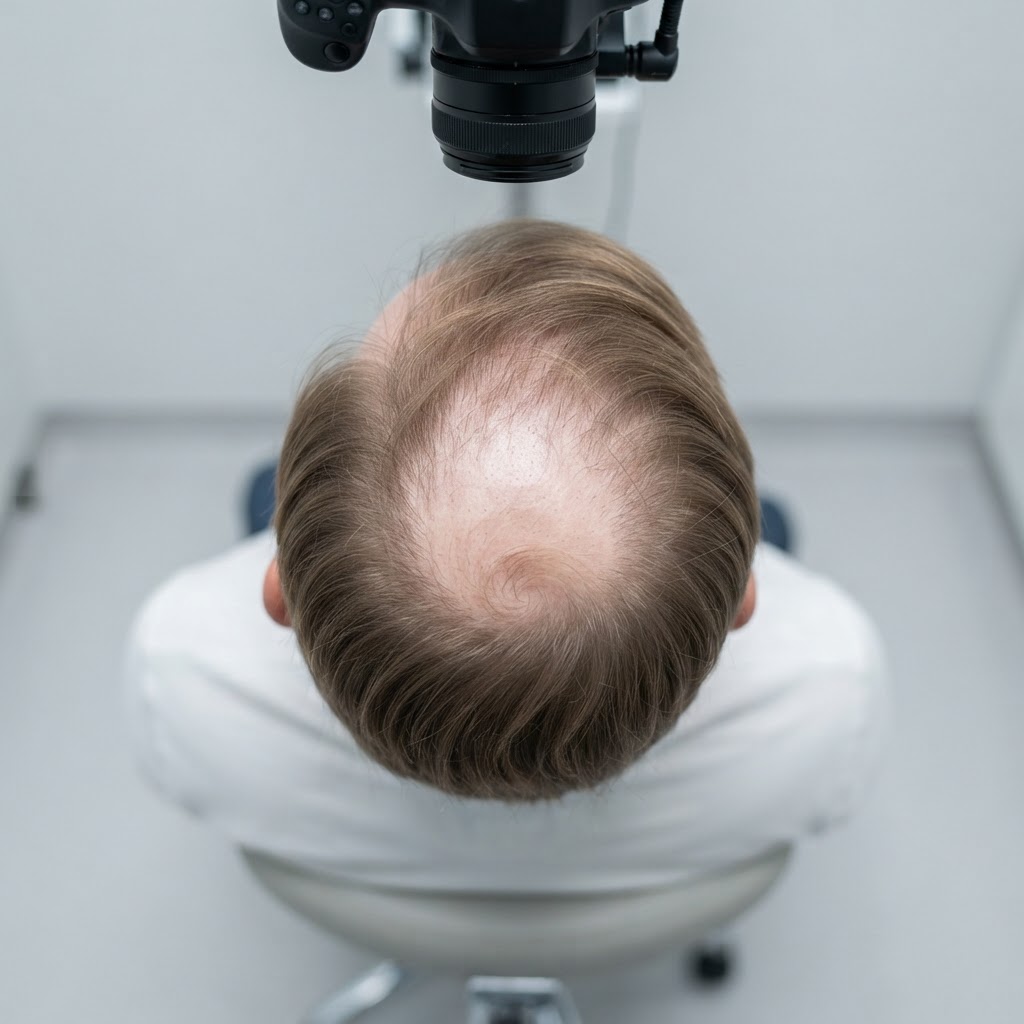 Before
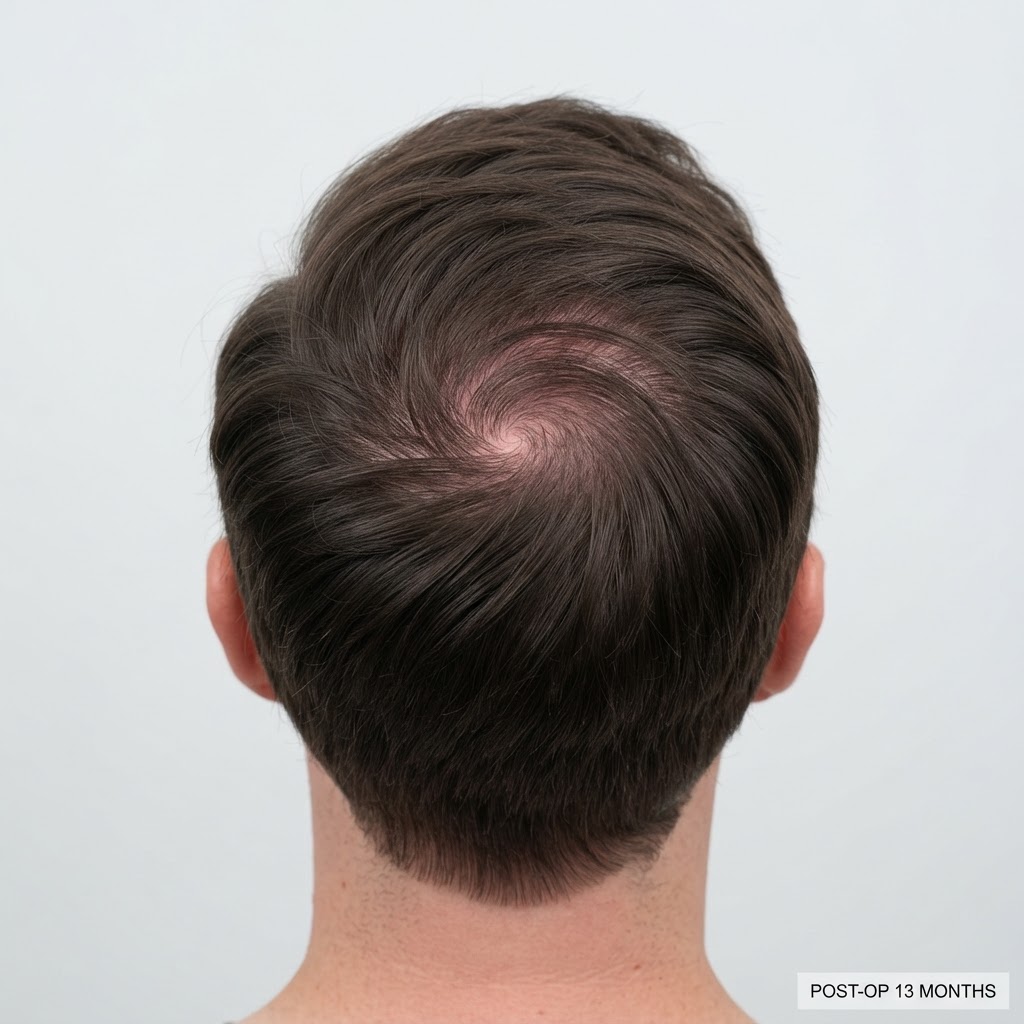 After
AfterCrown region restoration with spiral pattern placement to recreate natural whorl direction. Donor area preserved for future needs.
Results may vary from patient to patient.
From first conversation to follow-up — each step is structured for clarity and patient comfort.
Discuss your goals, concerns, and expectations in a one-on-one conversation.
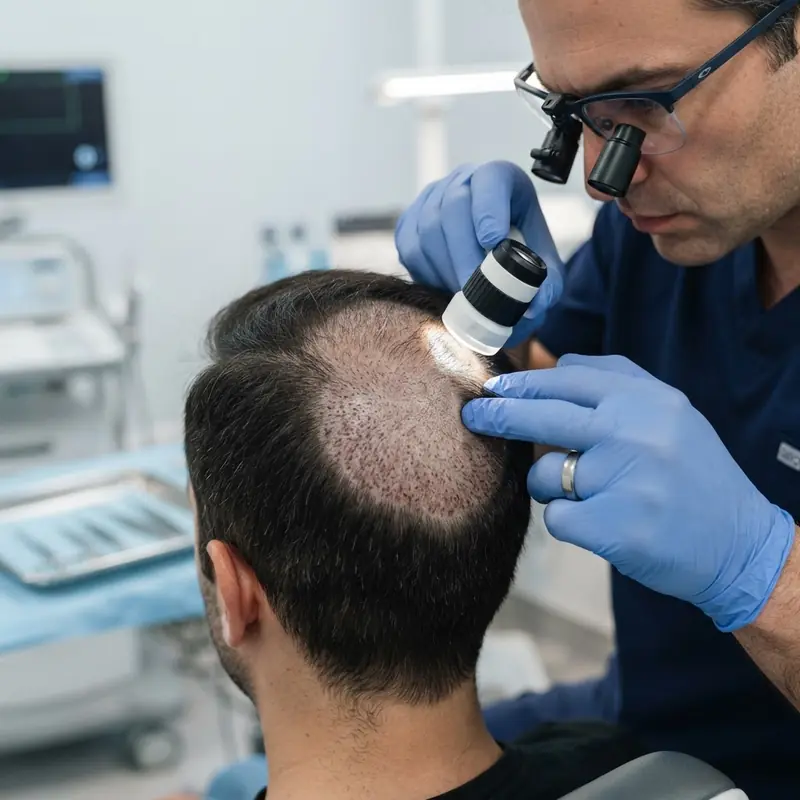
Review your hair loss pattern, donor area density, and scalp condition.
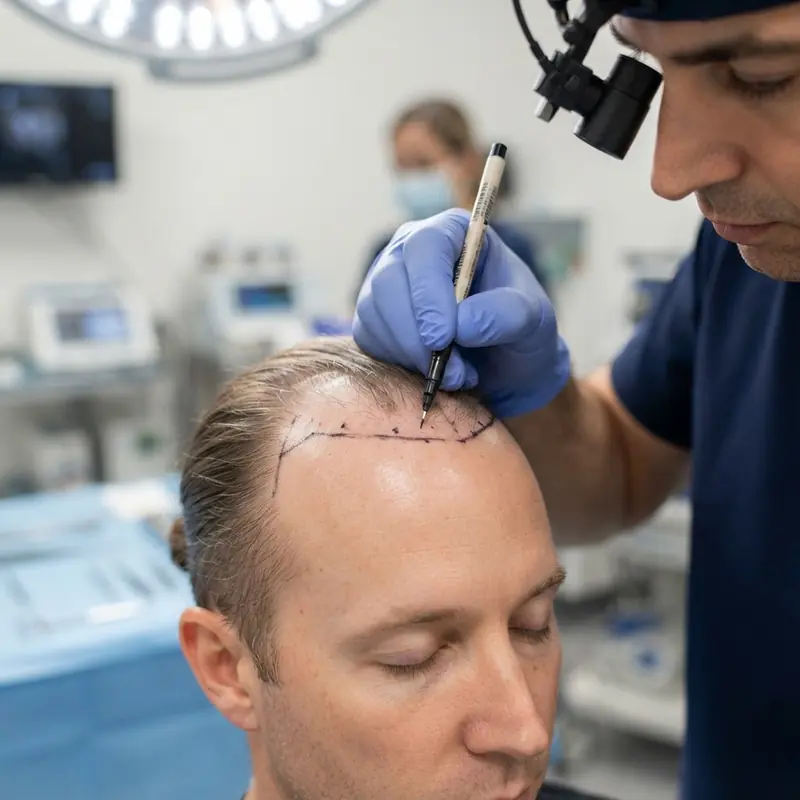
Design a hairline matched to your facial proportions and long-term goals.
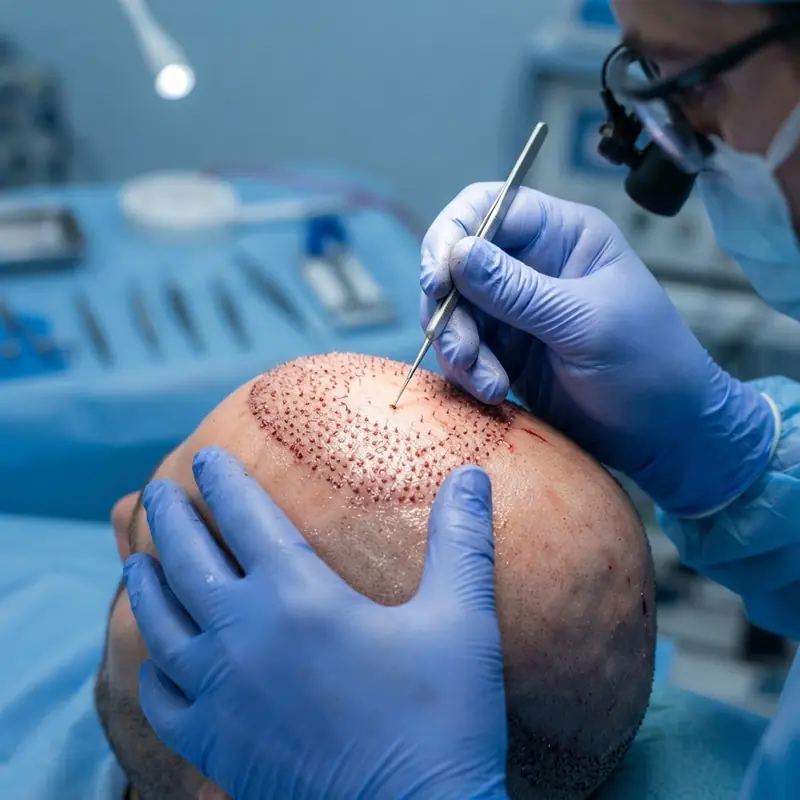
Map graft count, placement zones, and session details before the procedure day.
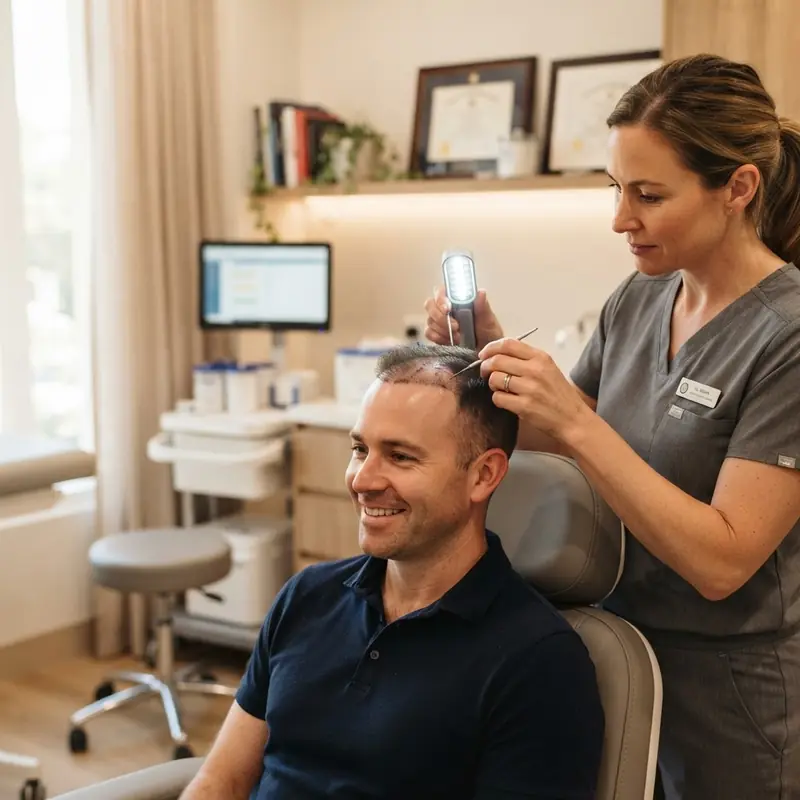
Receive structured aftercare instructions and understand the healing timeline.
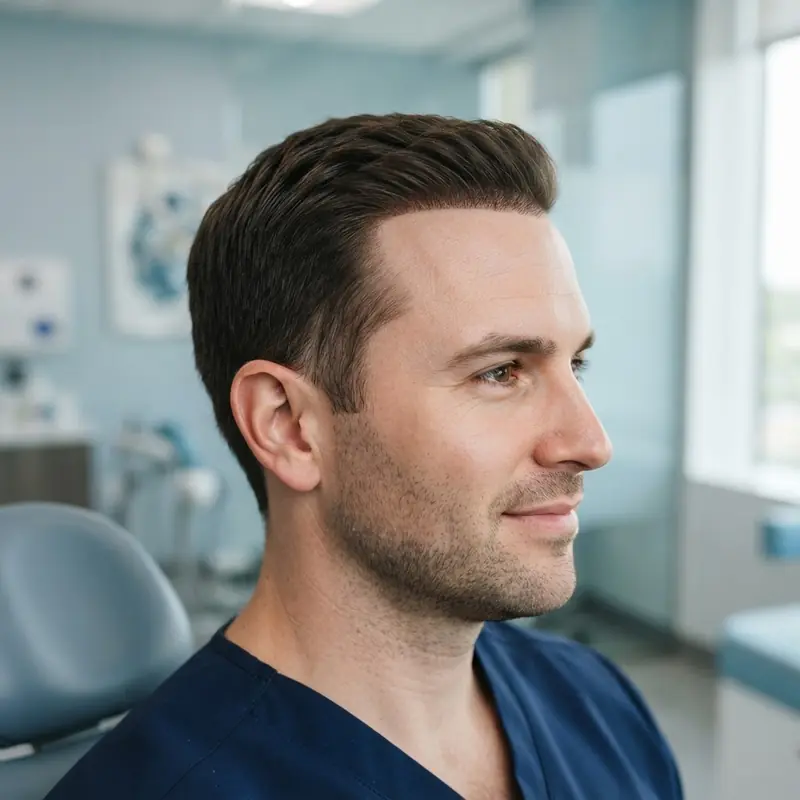
Monitor healing, shedding, and early growth through scheduled check-ins.
A general overview of what to expect after a hair transplant. Individual experiences differ — detailed guidance is provided personally.
Initial healing of donor and recipient areas. Mild swelling and sensitivity may occur.
Scabbing settles and the treated areas continue to heal. Most return to routine within a week.
Transplanted hairs shed naturally — this is expected and part of the process, not a sign of failure.
New hair begins to emerge gradually. Growth is slow and steady at this stage.
Visible improvement continues. Full results are generally seen at 12–15 months post-procedure.
Initial healing of donor and recipient areas. Mild swelling and sensitivity may occur.
Scabbing settles and the treated areas continue to heal. Most return to routine within a week.
Transplanted hairs shed naturally — this is expected and part of the process, not a sign of failure.
New hair begins to emerge gradually. Growth is slow and steady at this stage.
Visible improvement continues. Full results are generally seen at 12–15 months post-procedure.
Timeline is a general guide only. Recovery varies by individual. Results may vary from patient to patient.
Answers to the questions patients ask most before considering a hair transplant.
Suitability depends on several factors including the stability of your hair loss, donor area density, overall health, and realistic expectations. A personal consultation is the only way to determine this — Dr. Orakzai assesses your individual situation before recommending any procedure.
Yes. Hairline planning considers your facial proportions, age, natural growth direction, and expected hair loss progression. The design includes natural micro-irregularities — a perfectly straight hairline never looks natural. The goal is a hairline that suits you now and ages well.
Initial healing of the donor and recipient areas typically takes 7 to 14 days. Most patients return to routine activities within a week. Strenuous activity should be avoided for 2 to 3 weeks. Detailed aftercare instructions are provided before and after the procedure.
Transplanted hairs shed within the first few weeks — this is normal. New growth begins around 3 to 4 months. Visible improvement is usually noticed at 6 to 8 months, with full results generally visible at 12 to 15 months. Results may vary from patient to patient.
Natural-looking results are the primary goal. Hairline design, graft angle, direction, and density distribution all contribute to a natural appearance. However, no guarantee can be made about specific outcomes — individual factors including hair characteristics and healing affect the final result.
You can book a consultation by filling out the consultation form on this website, calling the clinic directly, or sending a message via WhatsApp. Our team will respond to arrange a suitable time for your consultation with Dr. Orakzai.
A selection of patient reviews. Individual experiences differ — results may vary from patient to patient.
“The consultation was thorough and honest. I understood exactly what to expect before committing. The hairline looks natural and I feel like…”
M. K.
Hair Transplant
“I was nervous about the result looking unnatural. The hairline design was planned carefully and the outcome exceeded what I thought was poss…”
S. H.
Hairline Design
“Honest guidance from start to finish. No exaggerated promises — just clear information and a result I am genuinely happy with.”
T. A.
Hair Transplant
Every hair restoration journey begins with a conversation. Book a consultation to discuss your goals, understand your options, and receive honest, personalised guidance — with no obligation to proceed.
Results may vary from patient to patient.