
Patient Guide
A practical walkthrough of what to expect before, during, and after your hair restoration procedure — covering preparation, the day itself, aftercare, and the recovery milestones that follow.
Before, During & After
Three key stages of your hair restoration journey — each with clear, practical guidance.

Before the Procedure
A few simple steps in the days leading up to your procedure help ensure everything goes smoothly. Detailed instructions are provided during your consultation.
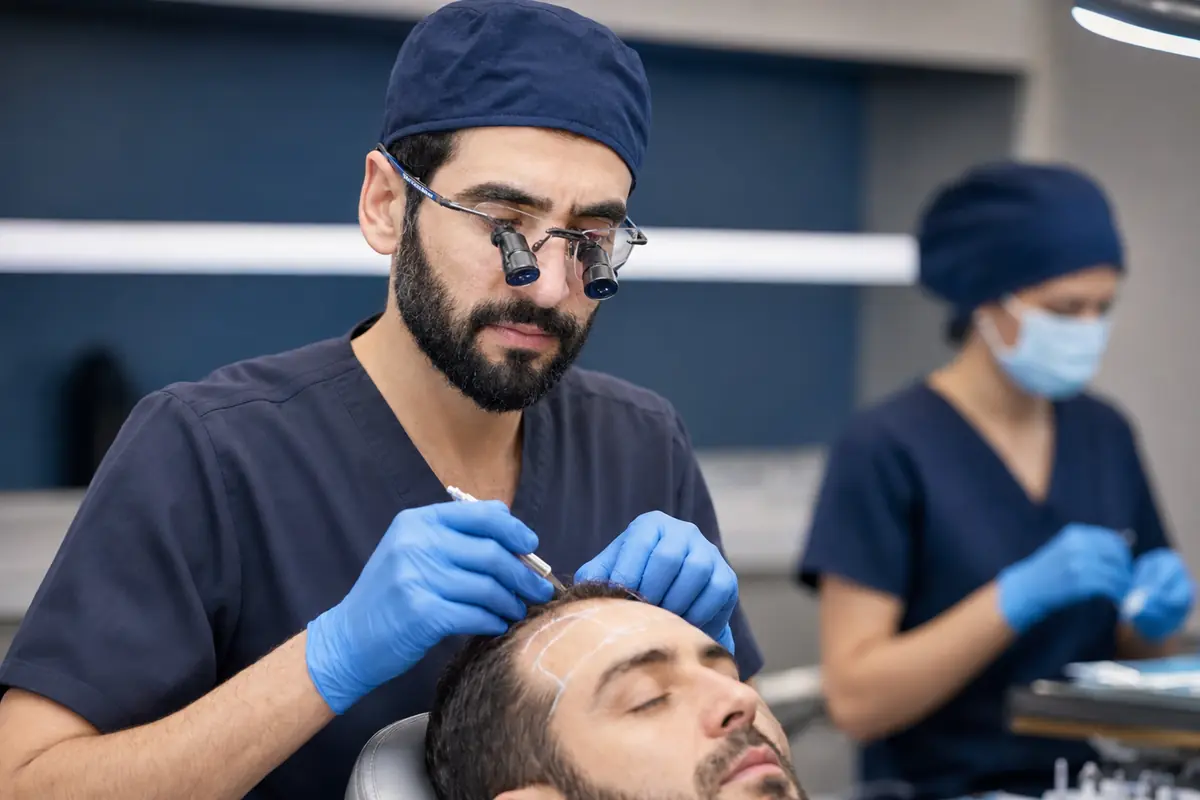
Procedure Day
Knowing what happens on the day helps you feel prepared and at ease. Here is a general walkthrough of what to expect.
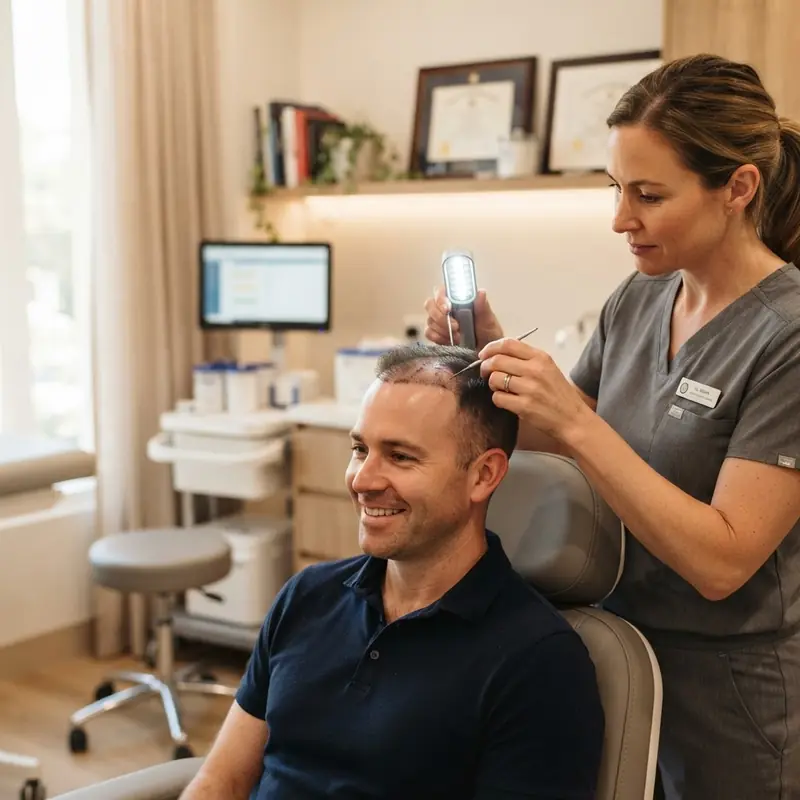
Aftercare
Proper aftercare supports healing and helps you feel confident throughout recovery. These are general guidelines — personalised instructions are given after your procedure.
Recovery Timeline
A general overview of what to expect at each stage of recovery. Individual experiences vary — detailed guidance is provided personally.
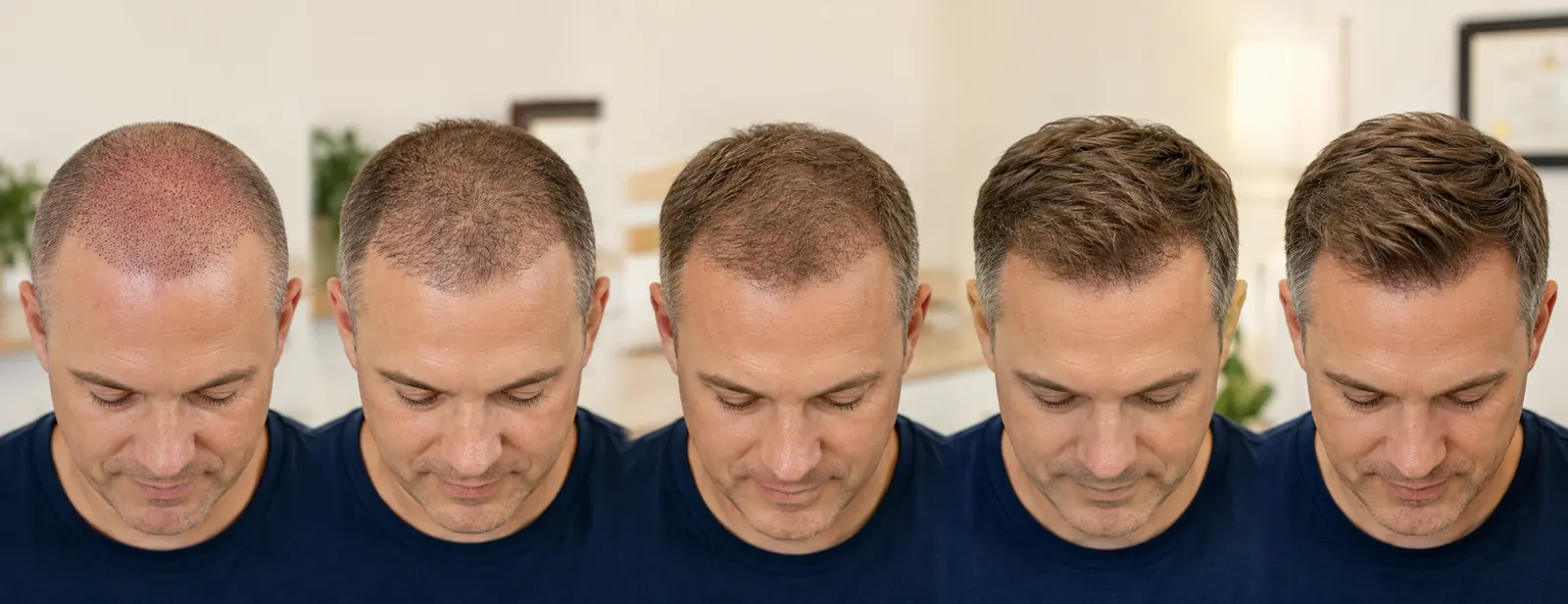
Initial Healing
Rest, minimal activity, gentle care of the treated areas.
Swelling Subsides
Swelling reduces, washing routine begins, donor area heals.
Scabs Shed
Scabbing naturally sheds, redness continues to fade.
Shedding Phase
Transplanted hairs shed — this is completely normal and expected.
New Growth Begins
New hair starts to grow from the transplanted follicles.
Visible Improvement
Noticeable density and coverage as hair continues to thicken.
Full Results
Final result is visible — natural, permanent, growing hair.
Initial Healing
Rest, minimal activity, gentle care of the treated areas.
Swelling Subsides
Swelling reduces, washing routine begins, donor area heals.
Scabs Shed
Scabbing naturally sheds, redness continues to fade.
Shedding Phase
Transplanted hairs shed — this is completely normal and expected.
New Growth Begins
New hair starts to grow from the transplanted follicles.
Visible Improvement
Noticeable density and coverage as hair continues to thicken.
Full Results
Final result is visible — natural, permanent, growing hair.
Timeline is a general guide. Recovery varies by individual. Results may vary from patient to patient.
Download the Patient Checklist
A printable checklist to help you prepare for your procedure and track your recovery milestones.
Checklist will be available for download soon.
Common Patient Questions
Answers to the questions patients ask most about the procedure and recovery.
The consultation reviews the pattern and stability of hair loss, scalp health, donor density, hair calibre, medical history, medications, and the result you hope to achieve. These findings help define a safe graft estimate and a plan that preserves donor hair for the future.
Follow the clinic's instructions about medicines and supplements, avoid smoking and alcohol as advised, and tell the team about any illness or scalp irritation. Arrange transport, wear a loose button-front shirt on procedure day, and wash your hair exactly as directed.
For the first nights, sleep in the recommended elevated position and avoid rubbing the recipient area against pillows or bedding. Use only the neck support and sleeping method provided by the clinical team, because instructions can differ with the treated area and procedure.
Temporary redness, small scabs, mild tightness, and some swelling can occur during early healing. Transplanted shafts commonly shed after the first few weeks while the follicles remain beneath the skin. Contact the clinic promptly if pain, bleeding, discharge, or swelling is unexpected or worsening.
Follow-up allows the team to check healing, reinforce washing and activity guidance, document growth, and identify concerns early. It also gives you a reliable timeline for shedding and maturation, so normal stages are not confused with poor growth or a complication.