
Micro Sapphire FUE: Natural Hairline Design and Results
A video-led guide to Micro Sapphire FUE, careful hairline planning, realistic expectations, and the role of patient-specific treatment design.
Watch Dr. Adnan Orakzai's Micro Sapphire FUE result video, then explore the written explanation below.
A visual overview of Micro Sapphire FUE and the planning behind a natural-looking hair transplant result.
Key takeaways
The technique is only one part of a successful plan. Candidate assessment, donor-area limits, hairline position, graft direction, and realistic expectations all influence the final appearance.
What Is Micro Sapphire FUE?
Micro Sapphire FUE is a hair transplant approach in which individual follicular units are extracted from the donor area and placed into carefully planned recipient sites. The procedure name describes the instruments and channel-creation stage, but the result still depends on clinical assessment, graft handling, and a design suited to the individual patient.
Why Natural Hairline Design Matters
A convincing hairline is not simply a straight boundary. Its height, shape, density transition, irregularity, angle, and relationship to the patient's facial proportions must work together. Conservative planning can also help the result remain appropriate if surrounding native hair continues to thin over time.
A short visual explanation of how natural hairline planning supports a balanced result.
View original on InstagramHow Technique and Planning Work Together
- The donor area is assessed before deciding how many grafts can be used responsibly.
- Recipient sites are planned around the intended direction and angle of growth.
- The frontal transition is softened rather than designed as a perfectly straight line.
- Density is distributed according to the patient's goals, available donor supply, and long-term pattern of hair loss.
What Should Patients Expect From Results?
Hair transplant results develop gradually and vary between patients. The early appearance is not the final result, and photographs should always be interpreted alongside the timeline, lighting, hair length, donor quality, and individual healing. A consultation is needed to discuss suitability and realistic expectations for a specific case.
A short social video related to hair restoration planning and results.
View original on TikTokImportant patient note
A technique name alone does not determine candidacy or guarantee a particular result. A surgeon should assess the hair-loss pattern, donor area, scalp condition, medical history, and long-term plan before recommending treatment.
Doctor's Note
This article is for patient education only. A consultation is recommended for personalised guidance. Individual results may vary and no medical guarantees are implied by any information provided here.
Related Articles
Explore more hair restoration education from Dr. Adnan Orakzai.
 Hair Loss
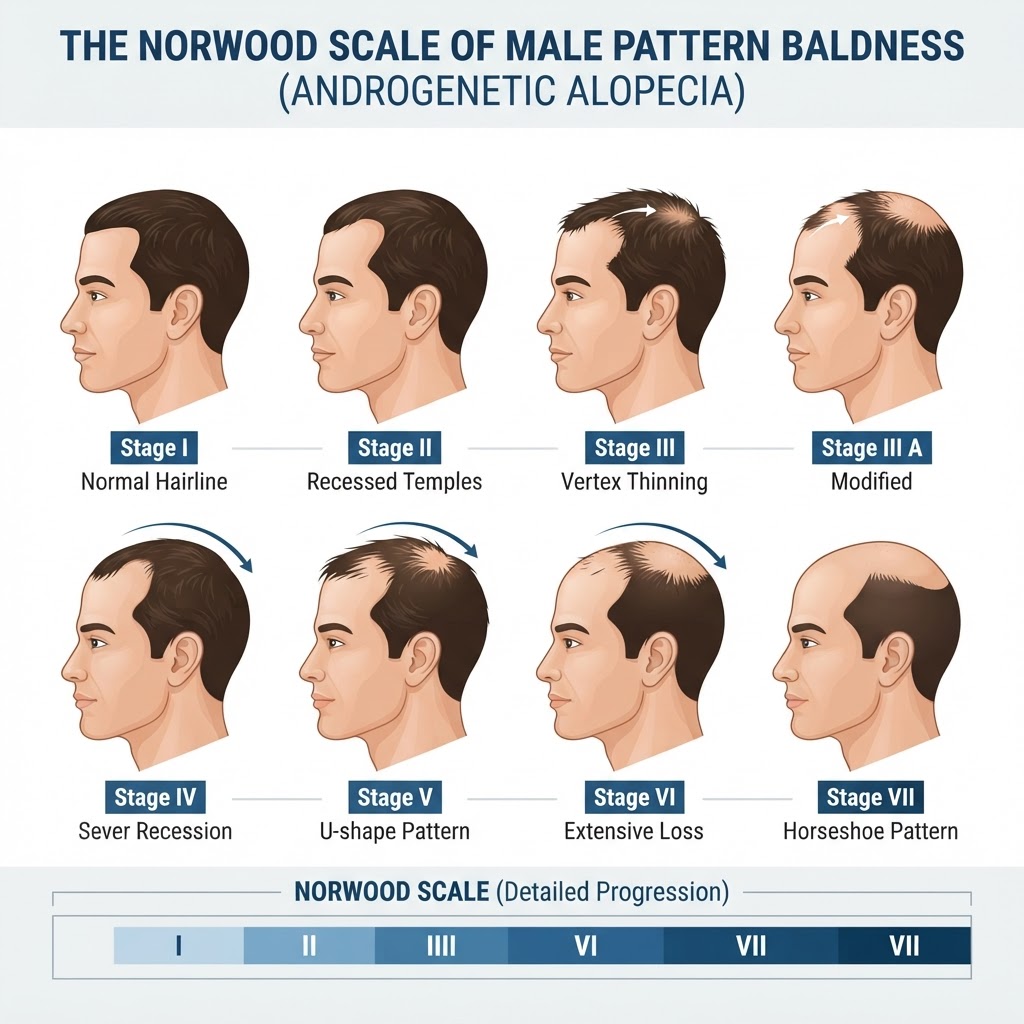
Understanding Hair Loss: Causes and Early Signs
Hair loss can result from genetics, hormones, stress, and nutrition. Understanding the cause is the first step toward choosing the right response.
 Hair Transplant
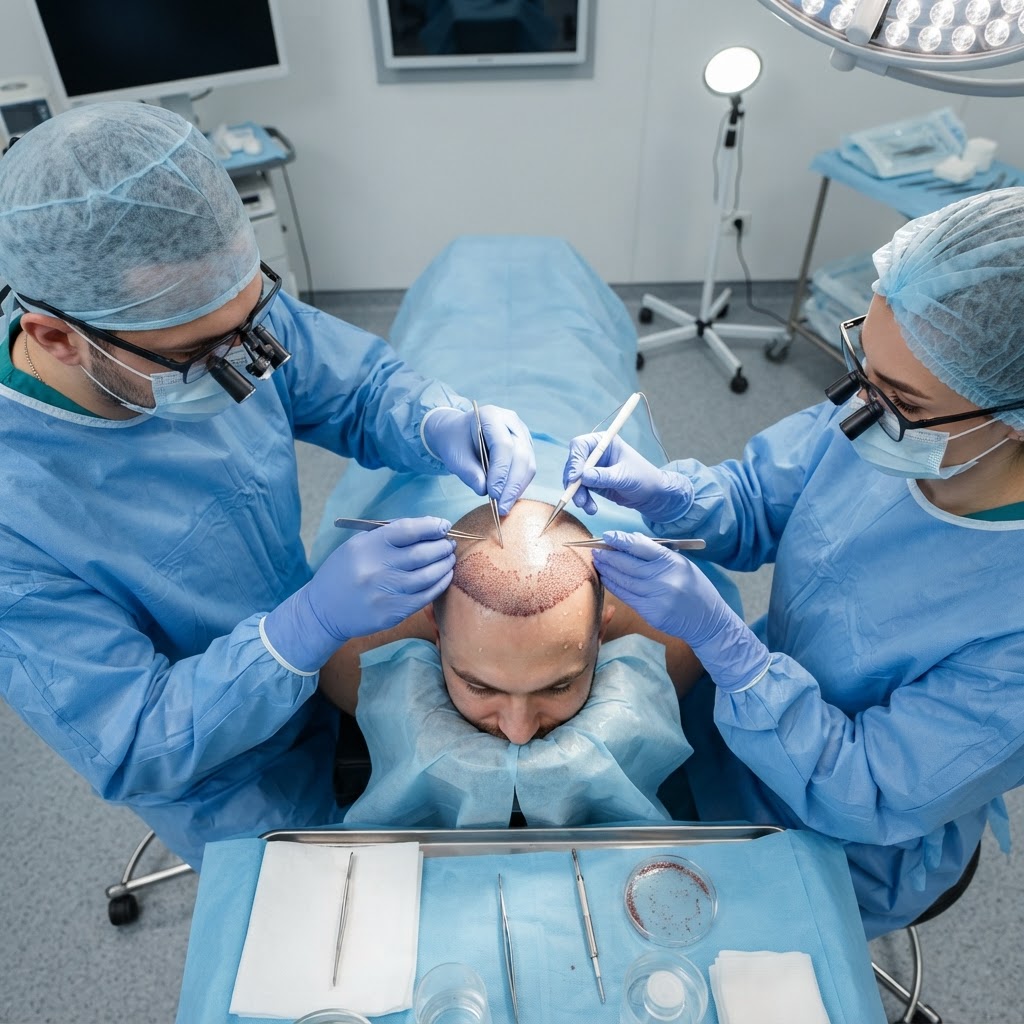
Hair Transplant: What to Expect From Consultation to Result
A clear walkthrough of the hair transplant journey — from the first consultation through hairline planning, the procedure itself, and final results.
 Recovery
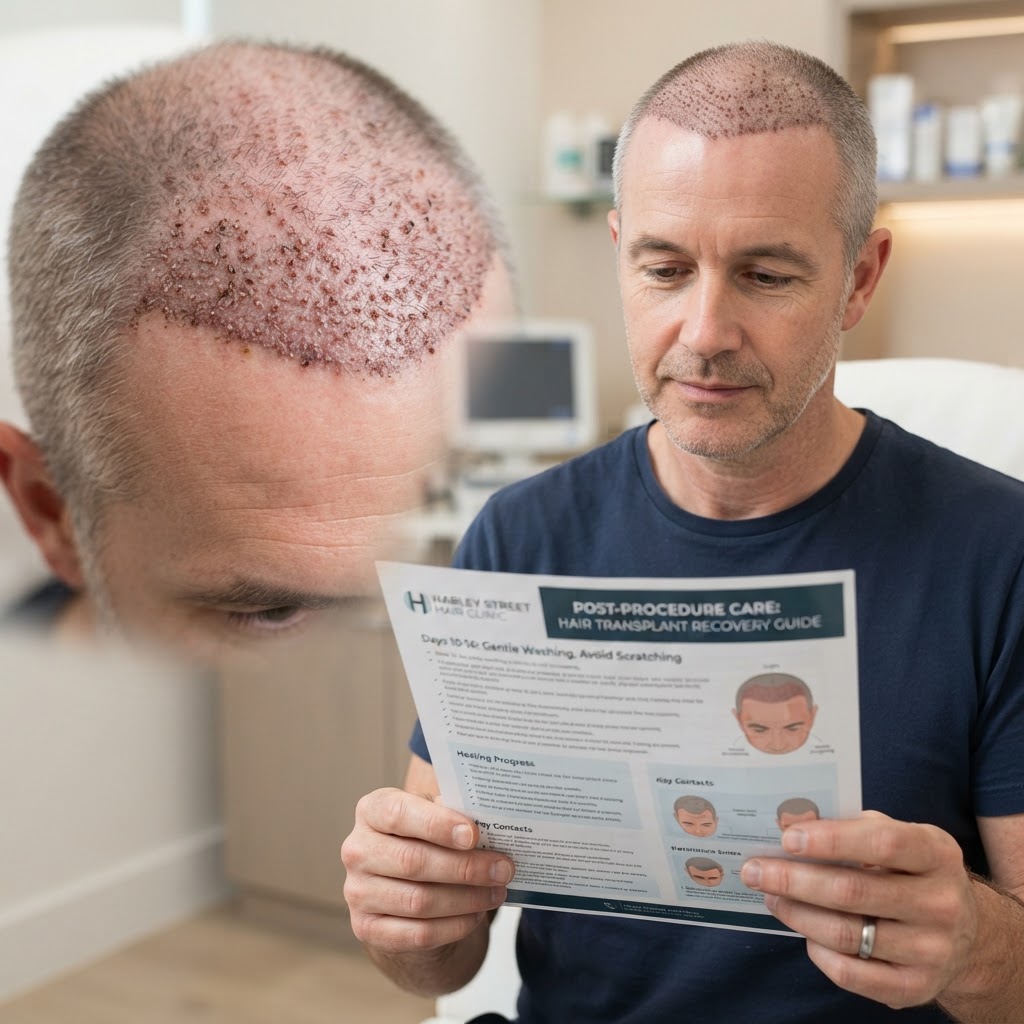
Hair Transplant Recovery: A Realistic Timeline
What happens in the days and weeks after a hair transplant? A practical guide to recovery milestones, aftercare, and when growth becomes visible.
Have Questions About Your Hair Restoration Options?
Book a personal consultation or start a WhatsApp conversation — get guidance tailored to your situation.